WHEN SHOULD YOUR CHILD SEE A PEDIATRIC NEUROLOGIST?
Learn the most important neurological symptoms in children seizures, regressions, weakness, headaches and how timely care can protect development.

As a parent, you watch your child's every move. But when something feels off frequent staring spells, persistent headaches, or delayed milestones the big question is: Does this need a specialist?
Pediatric neurologists are doctors who specialize in brain, spinal cord, nerve, and muscle conditions in children. Unlike adult neurologists, they understand how developing brains work and how neurological conditions present differently in kids.
This guide helps you recognize when specialist care is needed and what to expect.
What Does a Pediatric Neurologist Treat?
Common conditions include:
Epilepsy and seizures
Developmental delays and cerebral palsy
Headaches and migraines
Movement disorders (tics, tremors)
Neuromuscular conditions
Attention and learning difficulties with neurological basis
Behavioral changes related to brain function
10 Signs Your Child Should See a Pediatric Neurologist
Seizures or Unusual Episodes
Convulsions or shaking
Brief staring spells (often mistaken for daydreaming)
Sudden falls or muscle jerks
Repetitive movements like lip smacking
Action: Even one seizure needs evaluation
Loss of Previously Acquired Skills
Stopped using words they knew
Lost motor skills (was walking, now isn't)
Decreased social engagement
Action: URGENT regression always needs immediate evaluation
Persistent Developmental Delays
Not sitting by 9 months
Not walking by 18 months
Fewer than 10 words by 18 months
Delays across multiple areas (motor AND language)
Action: Early intervention changes outcomes
Frequent or Severe Headaches
More than 2x weekly
Interfering with school or play
Morning headaches or vomiting
Headaches with vision changes
Action: Chronic headaches deserve treatment
Abnormal Movements or Muscle Tone
Very stiff or very floppy muscles
Persistent toe walking (after age 3)
Tremors or tics
One-sided weakness
Action: Movement issues may indicate treatable conditions
Regression in Any Skills
Any loss of abilities previously mastered
Action: Always urgent
Behavioral Changes with Neurological Signs
Sudden personality changes
Severe attention issues affecting development
Behavioral problems WITH motor or coordination issues
Action: Distinguish behavioral from neurological
Head Injury with Lasting Symptoms
Persistent headaches after injury
Confusion or personality changes post-concussion
Action: Some injuries need specialized monitoring
Fainting or Loss of Consciousness
Fainting during activity
Unexplained confusion or "zoning out"
Action: Rule out seizures vs. cardiac causes
Family History of Neurological Conditions
Family history of epilepsy, migraines, or developmental disorders
Known genetic conditions
Action: Preventive monitoring may be helpful
What Happens at Your First Visit?
Preparation:
Bring medical records and test results
Video any concerning episodes (huge help for diagnosis!)
Write down when symptoms started, how often, what triggers them
List questions you want answered
During the Visit:
History (30-40 minutes): Detailed questions about pregnancy, birth, development, symptoms, family history
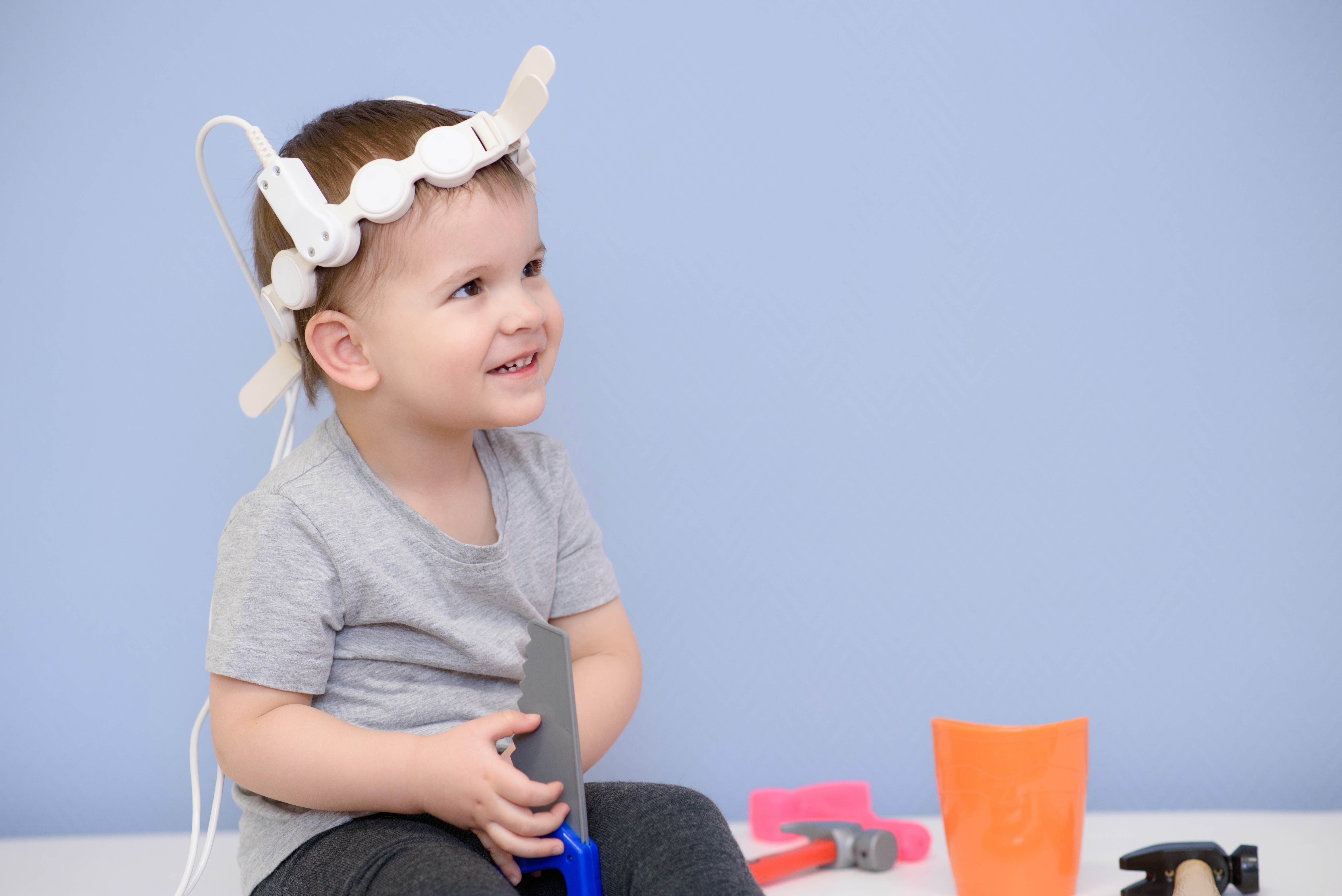
Neurological Exam (20-30 minutes): Age-appropriate, non-invasive testing of movement, strength, reflexes, coordination, senses often incorporates play for young children
Discussion: Clear explanation of findings, possible diagnoses, next steps
Testing (If Needed):
EEG: Measures brain electrical activity (detects seizures)
MRI/CT: Brain imaging
Blood tests: Rule out metabolic or genetic causes
Developmental assessments
Not every child needs testing your neurologist will explain what's necessary and why.
Why Early Evaluation Matters
Young brains are remarkably plastic they can adapt, rewire, and compensate. Early intervention takes advantage of this:
Prevents complications: Untreated seizures can affect learning; unmanaged delays can worsen
Opens doors to therapy: Speech, physical, and occupational therapy work best when started early
Stops progression: Some conditions worsen without treatment
Provides peace of mind: Even when nothing serious is found, clarity helps families
The bottom line: If something feels off, trust your instincts. Seeking evaluation provides either reassurance or timely treatment both are valuable.
Krishna Children's Hospital Advantage
Our in-house pediatric neurology team means
No waiting for visiting specialists we're here daily
Same day testing when needed EEG, MRI, assessments on-site
Seamless coordination, our neurologist works directly with therapists, pediatricians, and other specialists under one roof
Consistent care, the same team follows your child over time
Immediate accessibility, urgent concerns get urgent attention
We're not just treating conditions we're partnering with families through entire journeys.
Ready to Take the Next Step?
If your child is experiencing any of these signs, don't wait to "see if they outgrow it." Early evaluation = early support = better outcomes.
Trust your instincts. We're here to help.