
Pediatric Care
General Pediatrics
Everyday Child Health, Carefully Managed
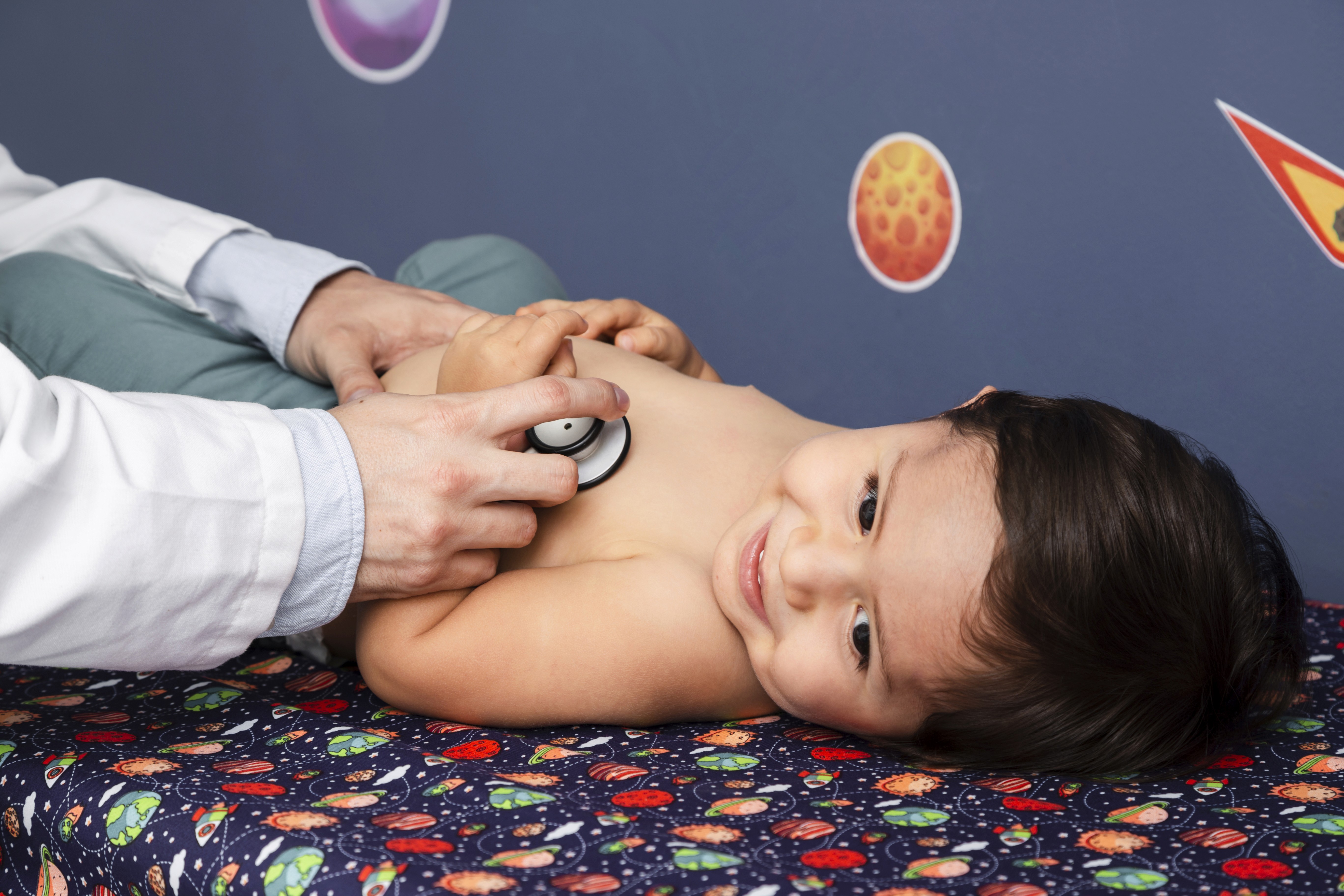
General pediatric care includes diagnosis and treatment of common illnesses such as fever, cough, colds, infections, and tummy upsets. The team also manages allergies, nutritional concerns, minor injuries, and school‑related health issues. Regular visits track growth and development using age‑appropriate charts, helping to spot concerns early. Immunisations are offered according to recommended schedules, with clear guidance on timing, side‑effects, and catch‑up doses when needed.
What this service covers
General pediatric care includes diagnosis and treatment of common illnesses such as fever, cough, colds, infections, and tummy upsets. The team also manages allergies, nutritional concerns, minor injuries, and school‑related health issues. Regular visits track growth and development using age‑appropriate charts, helping to spot concerns early. Immunisations are offered according to recommended schedules, with clear guidance on timing, side‑effects, and catch‑up doses when needed.
How we work with families
During each visit, doctors take time to listen to symptoms, examine the child gently, and order tests only when they will change management. Parents leave with written or clearly explained instructions on medicines, home care, and warning signs that should prompt review. The aim is to make day‑to‑day child health feel manageable, not overwhelming.
Pediatric Neurology
Specialised Brain and Nerve Care
Pediatric Neurology sits at the heart of Krishna Children’s Hospital. The in‑house team cares for children with seizures, developmental delays, movement problems, headaches, and complex neurological conditions in a child‑friendly setting. Consultations, tests, therapies, and follow‑ups are all coordinated within one trusted hospital, reducing travel and confusion for families.
Conditions we commonly see
The department evaluates and manages seizures and epilepsy in infants, children, and adolescents; developmental delay and autism spectrum concerns; learning and behavioral difficulties; neuromuscular and movement disorders; and recurrent or severe headaches and migraines. Children may be seen for a single opinion or for long‑term follow‑up when ongoing support is needed.
Our approach
Assessment combines detailed history from caregivers, observation of the child, and a gentle neurological examination. When appropriate, tests such as EEG and brain imaging are used to understand the cause of symptoms. Treatment plans may include medicines, therapies, lifestyle adjustments, and school‑related recommendations. Regular reviews adjust the plan as the child grows and circumstances change.
Working with other departments
Neurology works closely with pediatrics, rehabilitation, psychology, nutrition, and intensive care. This ensures that brain health, physical health, daily living, and emotional wellbeing are considered together. The result is one coordinated plan rather than separate, sometimes conflicting, opinions.
Neonatology
Dedicated Care for Newborn Lives
Neonatology at Krishna Children’s Hospital supports babies from their first hours, especially those born early, small, or with medical needs. A specialised neonatal intensive care unit (NICU) provides round‑the‑clock monitoring and treatment in a controlled, baby‑safe environment, with parents encouraged to participate in care whenever possible.
What we do
Neonatology services include intensive care for premature and high‑risk newborns, close monitoring of breathing, temperature, feeding, and blood sugar, and early screening to detect treatable conditions. The team also manages common neonatal issues such as jaundice and infections. Equipment and protocols are tailored for fragile newborns, and care plans are regularly reviewed as babies stabilise and prepare for discharge.
Supporting parents
Parents are encouraged to stay involved through safe handling, kangaroo care, and feeding support. Lactation consultants help mothers establish breastfeeding or expressed‑milk feeding, even when babies are very small. Before discharge, families receive detailed education about medications, feeding, warning signs, and follow‑up visits, helping them feel more confident taking their baby home.
Child Development & Wellness
Growing, Learning, and Thriving
The Child Development & Wellness service focuses on how children move, speak, play, learn, and connect with others. Its goal is to notice concerns early and support each child’s unique potential through practical, family‑centred guidance, rather than a one‑size‑fits‑all approach.
Areas we assess
Assessments look at motor skills like sitting, crawling, walking, and coordination; language and communication; play skills and school readiness; attention and behaviour patterns; and overall growth and nutrition. Standardised tools and play‑based observation are combined to build a full picture of each child’s strengths and challenges.
What families receive
After assessment, families receive clear feedback, written or verbal, on what is going well and where support may help. Suggestions for home activities, play ideas, and routines are shared, along with referrals to neurology or therapy services when appropriate. Growth charts and milestone trackers help families monitor progress over time, turning vague worry into a structured, hopeful plan.
Pediatric Respiratory & Allergy Care
Breathing Easier, Playing Freely
Pediatric Respiratory & Allergy Care supports children with asthma, persistent cough, breathing difficulties, or allergies that disturb sleep, school, and play. The focus is on making accurate diagnoses and designing long‑term control plans, not only treating flare‑ups.
Conditions managed
The team evaluates asthma and recurrent wheezing, chronic or unexplained cough, repeated chest infections, and nasal or sinus allergies causing congestion, headaches, or snoring. Skin or food allergies that trigger breathing symptoms are also addressed in coordination with other specialties.
How we help
Assessment may include lung‑function testing when age‑appropriate, allergy work‑ups, and review of environmental and seasonal triggers. Families receive personalised action plans outlining daily medicines, what to do during an attack, and when to seek urgent care. Training on inhaler and spacer use, as well as lifestyle tips, helps children stay active in school and sports.
Pediatric Rehabilitation & Therapy
Therapies for Everyday Independence
Pediatric Rehabilitation & Therapy helps children who need extra support with movement, speech, independence, or behaviour. Sessions are structured as play‑based, goal‑oriented activities that fit into family routines and school life.
Services offered
Speech therapy addresses pronunciation, language delays, communication difficulties, and certain feeding‑related oral skills. Occupational therapy builds hand skills, self‑care abilities, sensory processing, and classroom participation. Behaviour‑focused work supports attention, routines, and emotional regulation. Goals are set together with families and reviewed regularly.
Integrated care
Therapists collaborate with pediatric neurology, pediatrics, and psychology so therapy goals align with medical needs and family priorities. Parents are coached in simple, practical activities they can use at home, in daily routines rather than only in therapy rooms. This shared approach helps gains made in sessions translate into real‑world progress.